

Ensuring Safety in Horse Racing: A Focus on ‘Safe Horse Racing Not On’
The world of horse racing has long captivated audiences worldwide. However, like many sports, it is not without its controversies and challenges, particularly when it comes to safety. Many organizations and individuals are coming together to emphasize the ideals of ‘Safe Horse Racing Not On,’ which advocates for the welfare of racehorses and the safety of riders. To learn more about safety initiatives in the realm of horse racing, visit Safe Horse Racing Not On Gamstop www.porphyrios.co.uk.
The Importance of Safety in Horse Racing
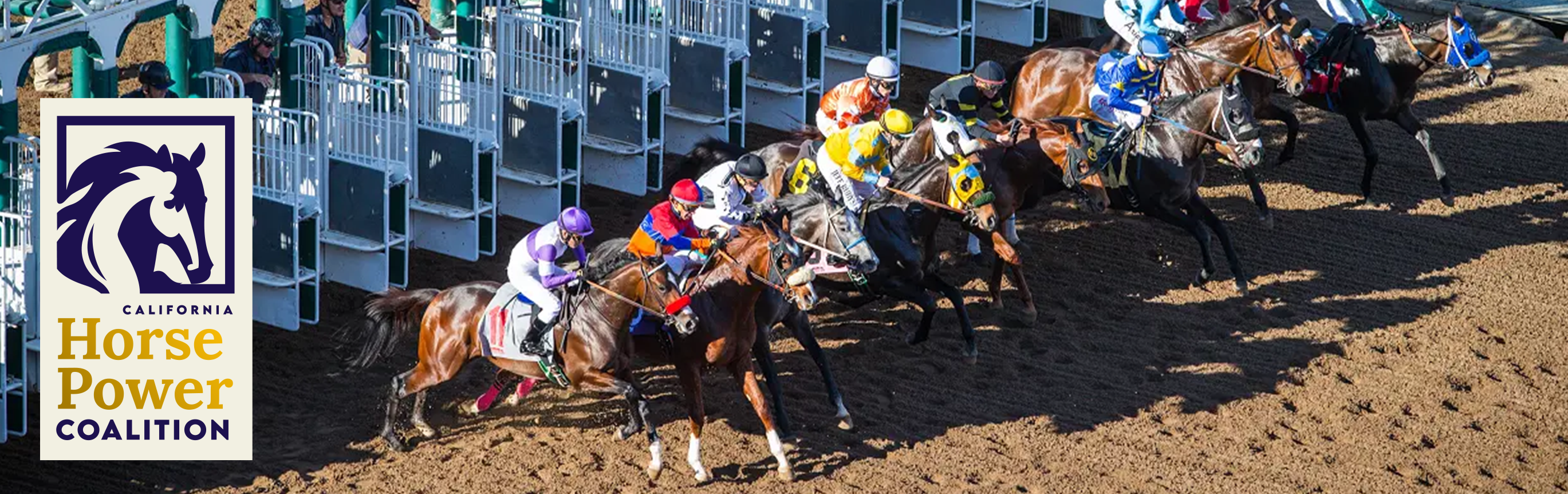
Horse racing is an exhilarating sport that brings together the thrill of competition and the beauty of powerful animals. Yet, behind the excitement lies a pressing need for safety measures. Both horses and jockeys are susceptible to injuries that can have devastating consequences. The emphasis on safety is not just about preventing injuries; it is also about fostering a culture of care and responsibility in the sport.

Understanding the Risks
Equestrian sports, including horse racing, inherently involve various risks. From the physical strains on the horses to the unpredictable nature of racing, each aspect poses potential dangers. Numerous factors contribute to these risks:
- Track Conditions: Wet or uneven tracks can significantly increase the chances of accidents.
- Health of the Horse: Horses in poor health or with underlying issues are at a higher risk during races.
- Equipment Usage: Poorly fitted saddles or inadequate gear can lead to injuries for both horse and rider.
- Jockey Experience: The skill and training of the jockey play a crucial role in navigating the risks effectively.
Current Safety Initiatives
In recent years, various organizations have pushed for reforms aimed at enhancing safety in horse racing. Some initiatives include:
1. Improved Medical Checks
Enhanced pre-race veterinary checks ensure that only healthy horses participate. This practice not only protects the horses but also ensures a level playing field for all competitors.
2. Safety Standards for Tracks
Regulations regarding track conditions, maintenance, and design have been tightened to minimize the risk of accidents during races. These standards ensure safe ground for racing and reduce the likelihood of falls and injuries.
3. Data-Driven Approaches
The use of technology and data analysis helps stakeholders identify potential risks before they become serious issues. By analyzing past incidents and monitoring horse performance, organizations can implement proactive measures to enhance safety.
4. Enhanced Training for Jockeys
Many training programs now incorporate safety training modules, focusing on how to handle emergencies and understand horse behavior. This education empowers jockeys to make informed decisions in critical moments.
Challenges in Implementing Safety Measures
While the push for safer racing conditions is gaining momentum, challenges remain. Resistance from traditionalists who prioritize competition over safety, financial constraints in implementing new technologies, and the sheer unpredictability of live sporting events all pose significant hurdles.
Advocacy and Awareness
Raising awareness about the importance of safety in horse racing is crucial. Various advocacy groups work tirelessly to educate the public, stakeholders, and fans about the significance of reforming existing practices to prioritize welfare. This includes social media campaigns, public demonstrations, and collaborations with influential figures in the industry.
The Role of Spectators
Fans of horse racing play a pivotal role in advocating for safety. By demanding transparency and supporting organizations that prioritize horse welfare, spectators can influence the direction of the sport. Engaging in discussions about safety and supporting initiatives that aim for reform can create momentum for change.
The Future of Horse Racing
The future of horse racing relies heavily on its ability to adapt and embrace safety as a core principle. Stakeholders, from owners to fans, must work collaboratively to ensure that the sport evolves without compromising the well-being of its participants. The idea of ‘Safe Horse Racing Not On’ serves as a rallying cry for positive change, compelling everyone involved to prioritize safety amidst competition.
Conclusion
Understanding the complexities of horse racing, especially concerning safety, is essential. While the sport holds a rich history and tradition, it also must evolve to address modern concerns, particularly the health and safety of horses and jockeys. The initiatives and discussions surrounding ‘Safe Horse Racing Not On’ emphasize the need for a collective effort towards a safer environment. Everyone, from fans to professionals, has a role to play in ensuring that horse racing can continue to thrive while prioritizing the welfare of its participants.
Engage and Advocate
As a fan of horse racing, you have the power to make a difference. Educate yourself about the issues, advocate for responsible practices, and support organizations that prioritize safety. Together, we can help shape a future where horse racing is not only thrilling but also safe for all involved.